Early Modern Japanese and Chinese Art
-
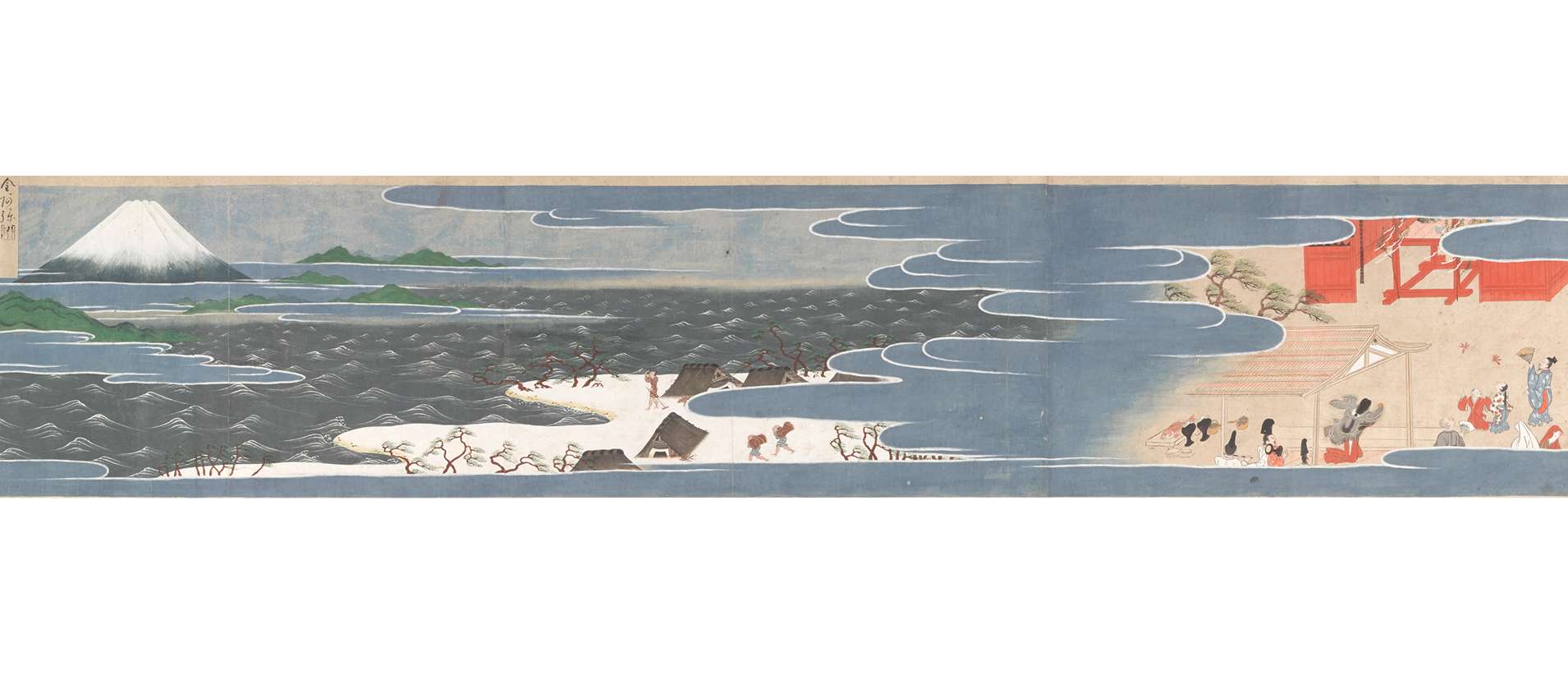
Miracles of Sanno Shrine Muromachi period, 15th century Important Cultural Property The Egawa Collection -
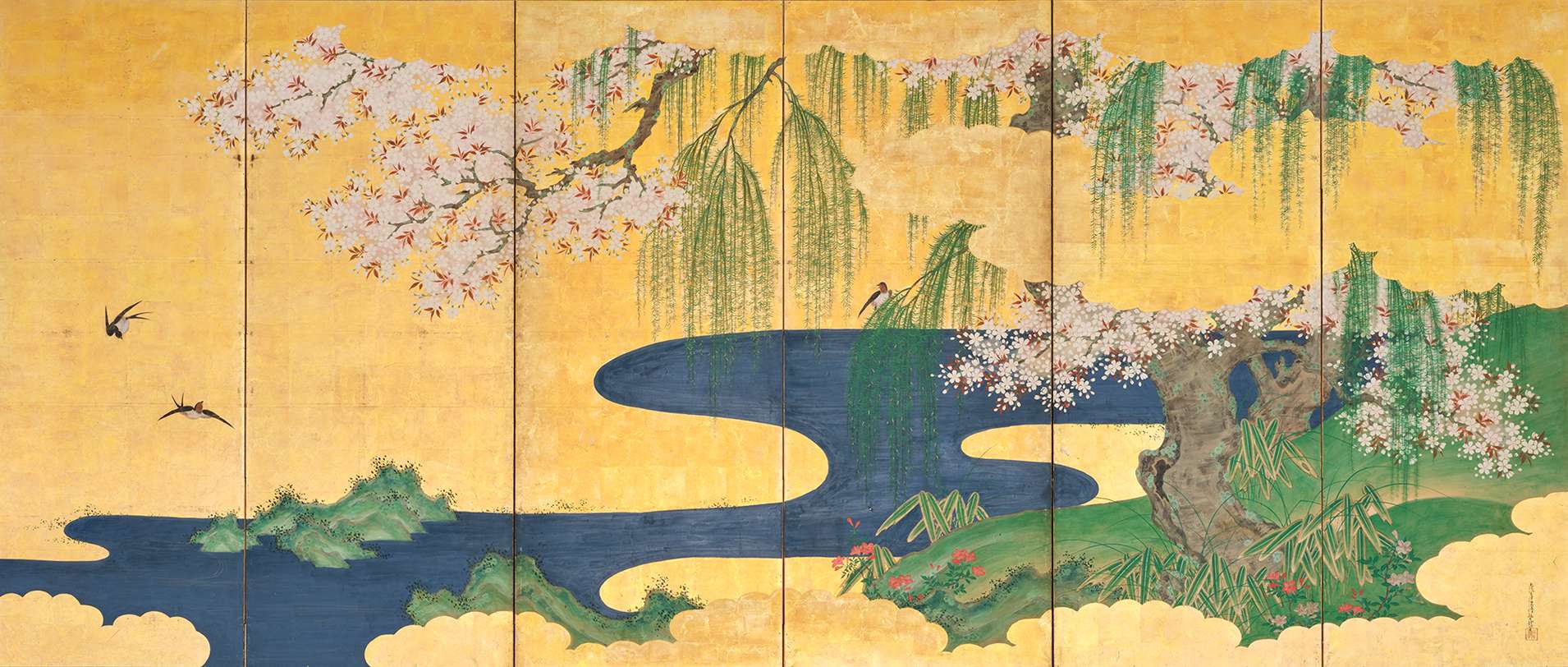
TOSA Mitsuoki Birds and Flowers in Spring and Autumn Edo period, 17th century The Egawa Collection -
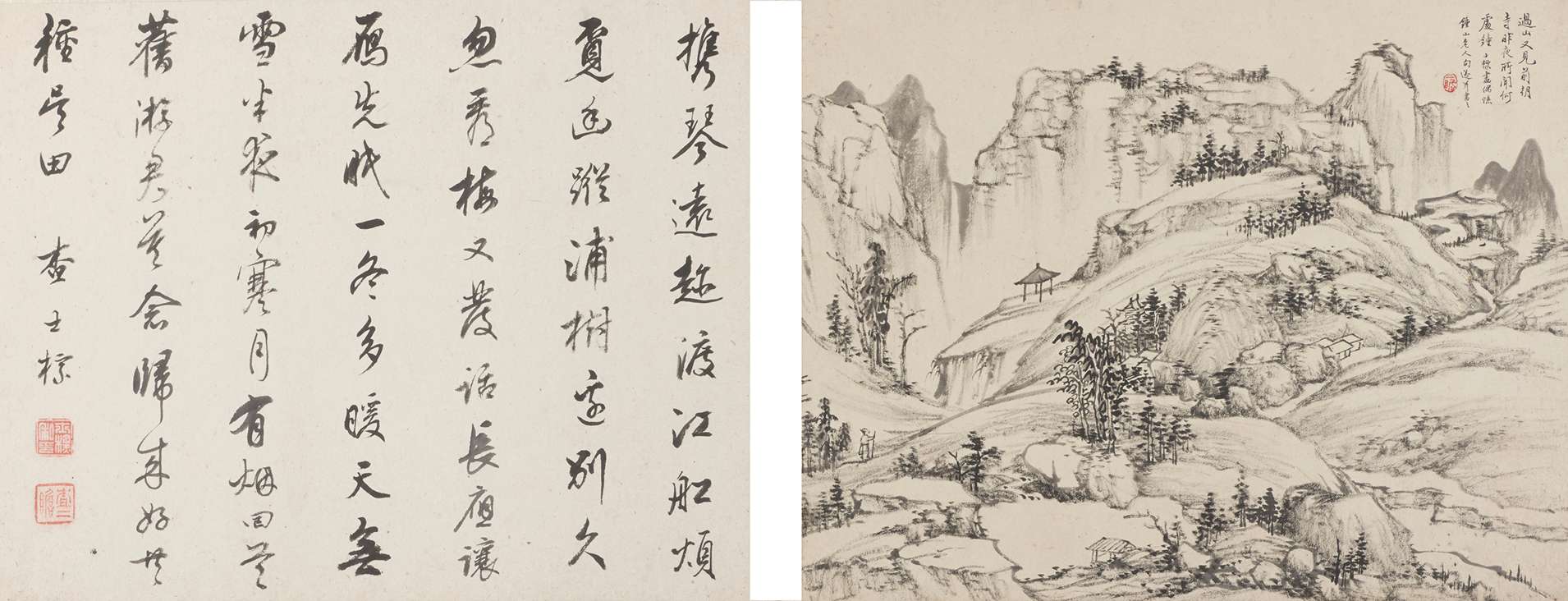
Zha Shibiao Landscape Qing dynasty, dated 1673(Kangxi12)The Bai Joteki Collection -
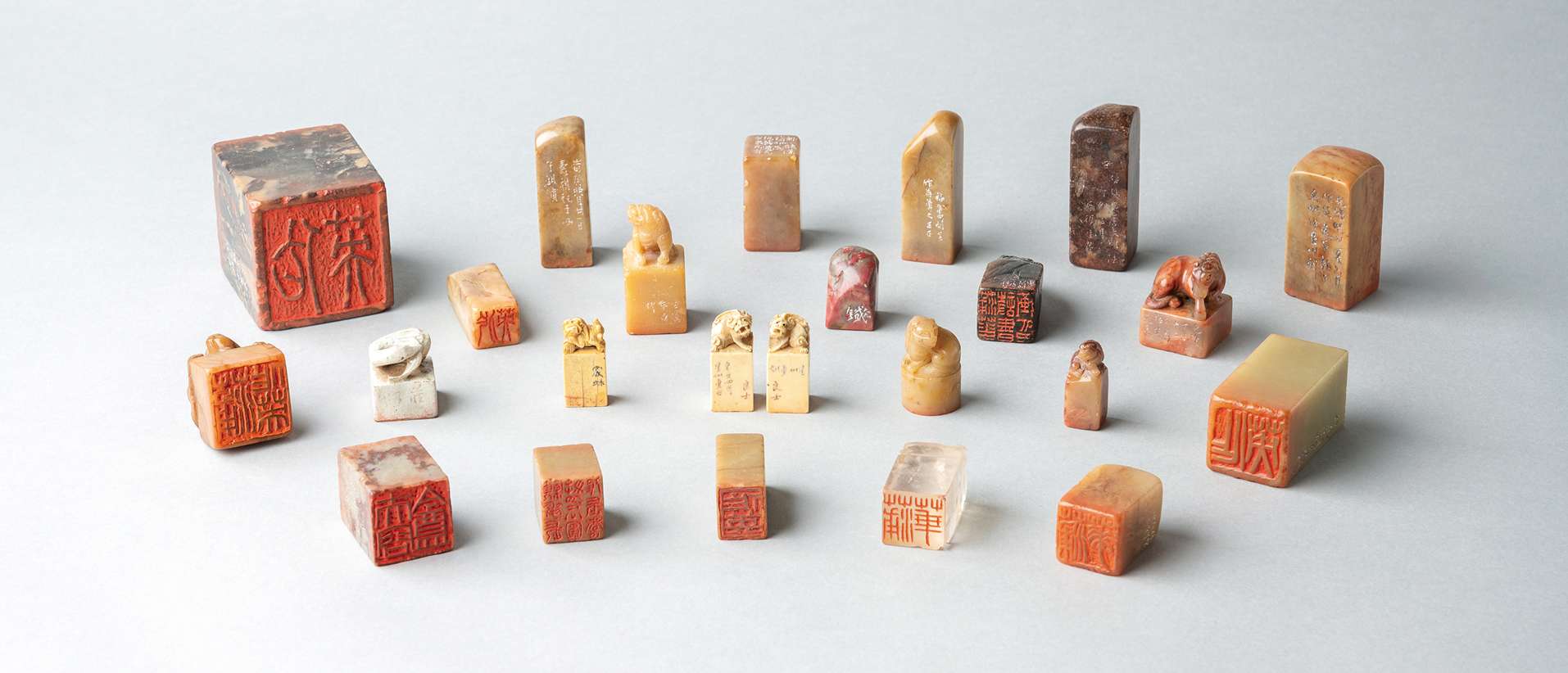
Pu Hua’s Stone Seal Qing dynasty, 19th-20th century The Bai Joteki Collection -
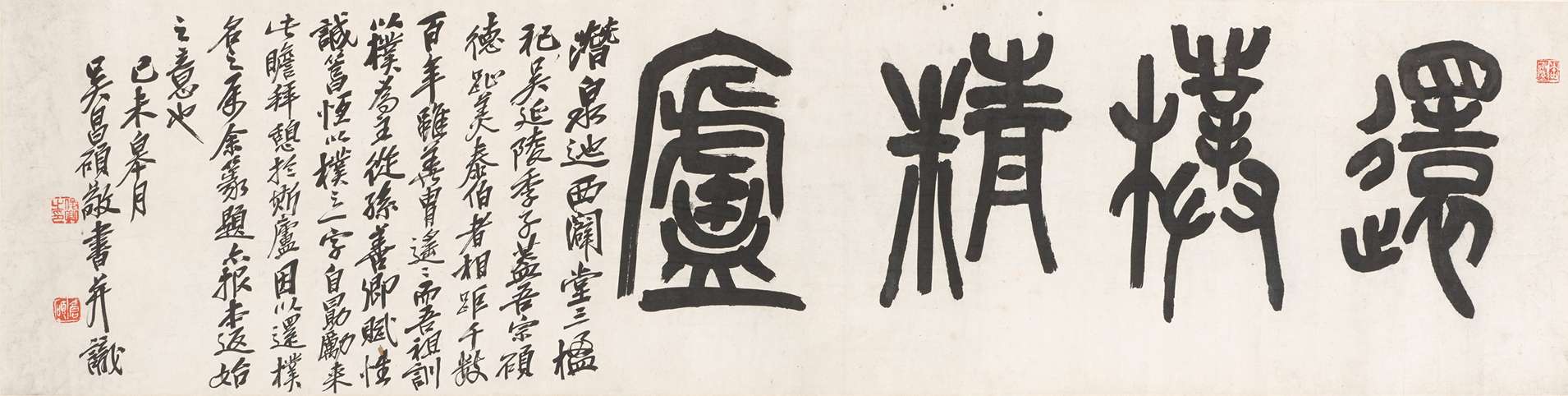
Wu Changshuo “Huan-pu Studio” in Seal Script Republic period, dated 1919(ZhonghuaMinguo8) The Bai Joteki Collection
In fiscal 2019 and 2021, the Egawa Collection, focusing on early modern Japanese art, and the Bai Joteki Collection, consisting primarily of Chinese calligraphy, paintings, and carved seals, were gifted to the Hyogo Prefectural Museum of Art in rapid succession. The addition of these works, derived from eras and regions that previously lay outside of the museum’s scope, further enhanced the diversity and depth of our collection, which spans over 50 years.
The Department of Early Modern Japanese and Chinese Art has set out to organize and survey these collections while moving forward with plans to display the pieces publicly. At the same time, we strove to build a foundation for information dissemination and public outreach by, among other things, creating a digital archive to protect and preserve these invaluable works for future generations, developing a search engine for items in the collections, and accumulating data. In conjunction with this, we are also developing a system to make images of the works available and facilitate loans of the actual pieces.
Collection Highlights
The Egawa Collection
The Egawa Collection is based on a group of works that were assembled by the Osaka businessman Egawa Tokusuke (1899–1976), the fourth generation head of the Egawa family. The collection of antiquities, primarily Japanese artworks, was originally housed in the Egawa Museum of Art, located in Kami Kotoen,
Nishinomiya. Among the works are four National Important Cultural Properties and four Important Art Objects, including tea utensils, and paintings dating from the Heian to the early modern era. Of particular note is a red Raku-ware tea bowl (known as Muichimotsu) by Chojiro. Also of interest is Miho no Matsubara, a painting attributed to Noami (both Important Cultural Properties).
In March 2019, following the closure of the Public Interest Incorporated Foundation Egawa Museum of Art, the works were gifted in bulk to Hyogo Prefecture. They were subsequently placed under the management of the Hyogo Prefectural Museum of Art, and registered as part of the museum collection.
-
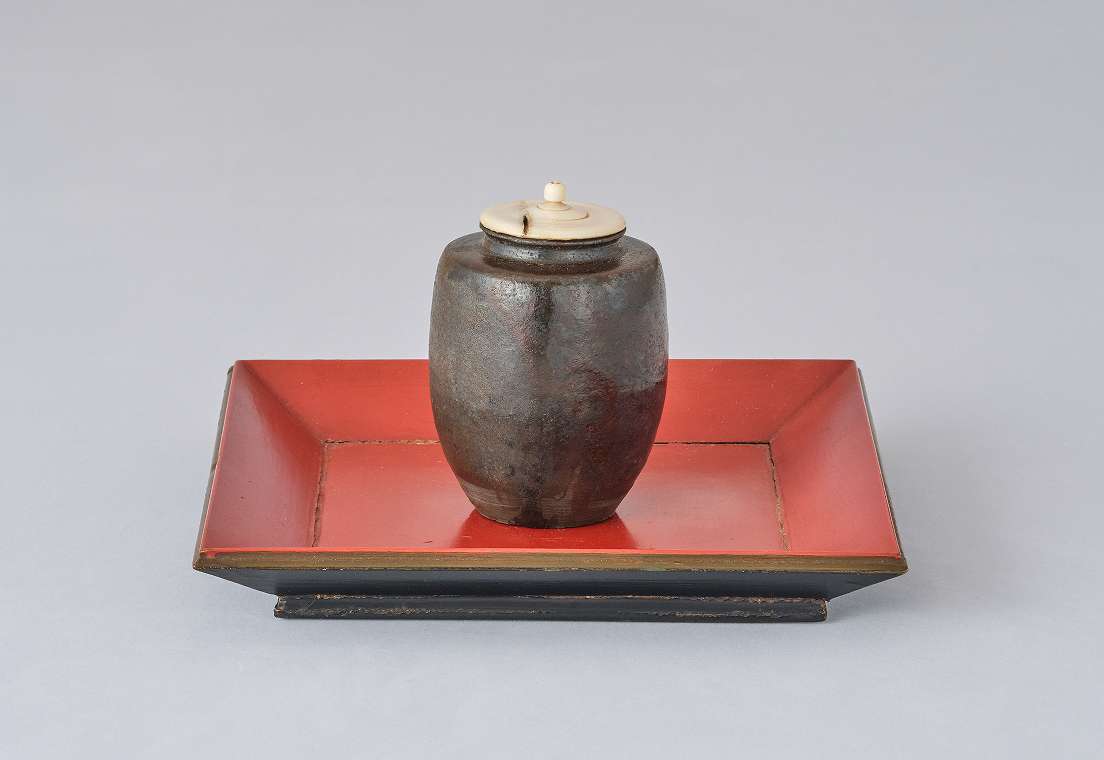
Tea caddy with angular shoulders, named “Seitaka” Song dynasty, 13th century Important Art Object The Egawa Collection -
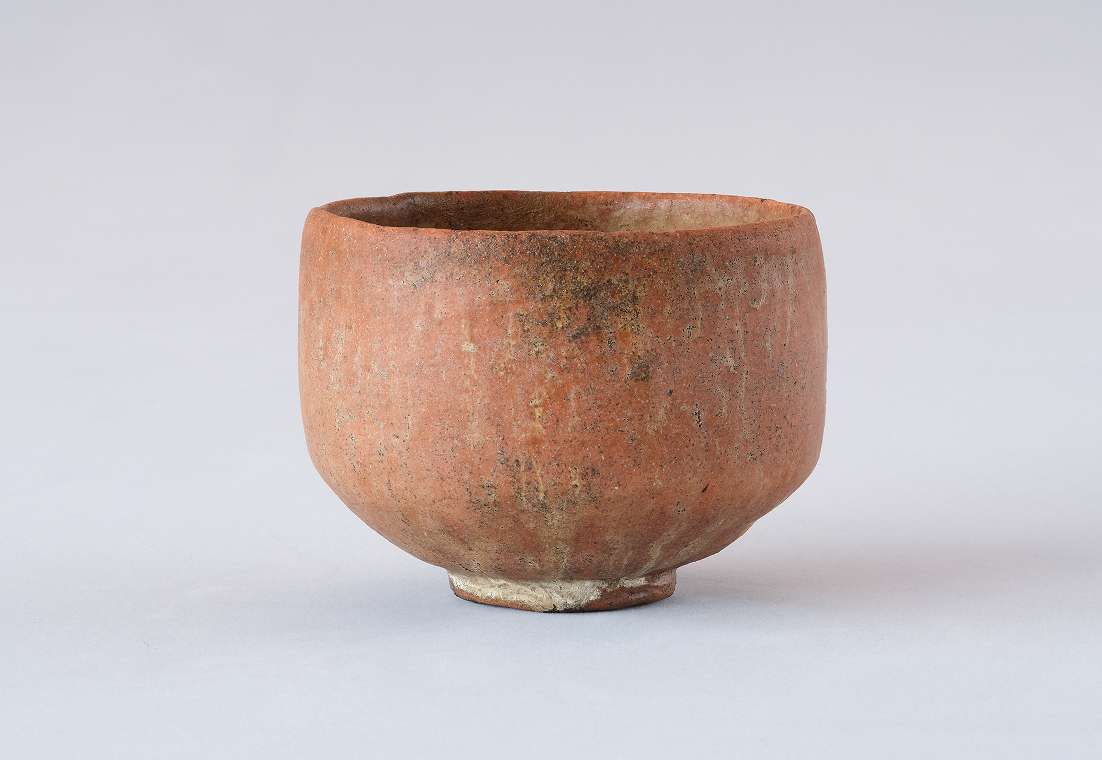
Chojiro Tea bowl, Red Raku ware, named “Muichimotsu” Momoyama period, 16th century Important Cultural Property The Egawa Collection -
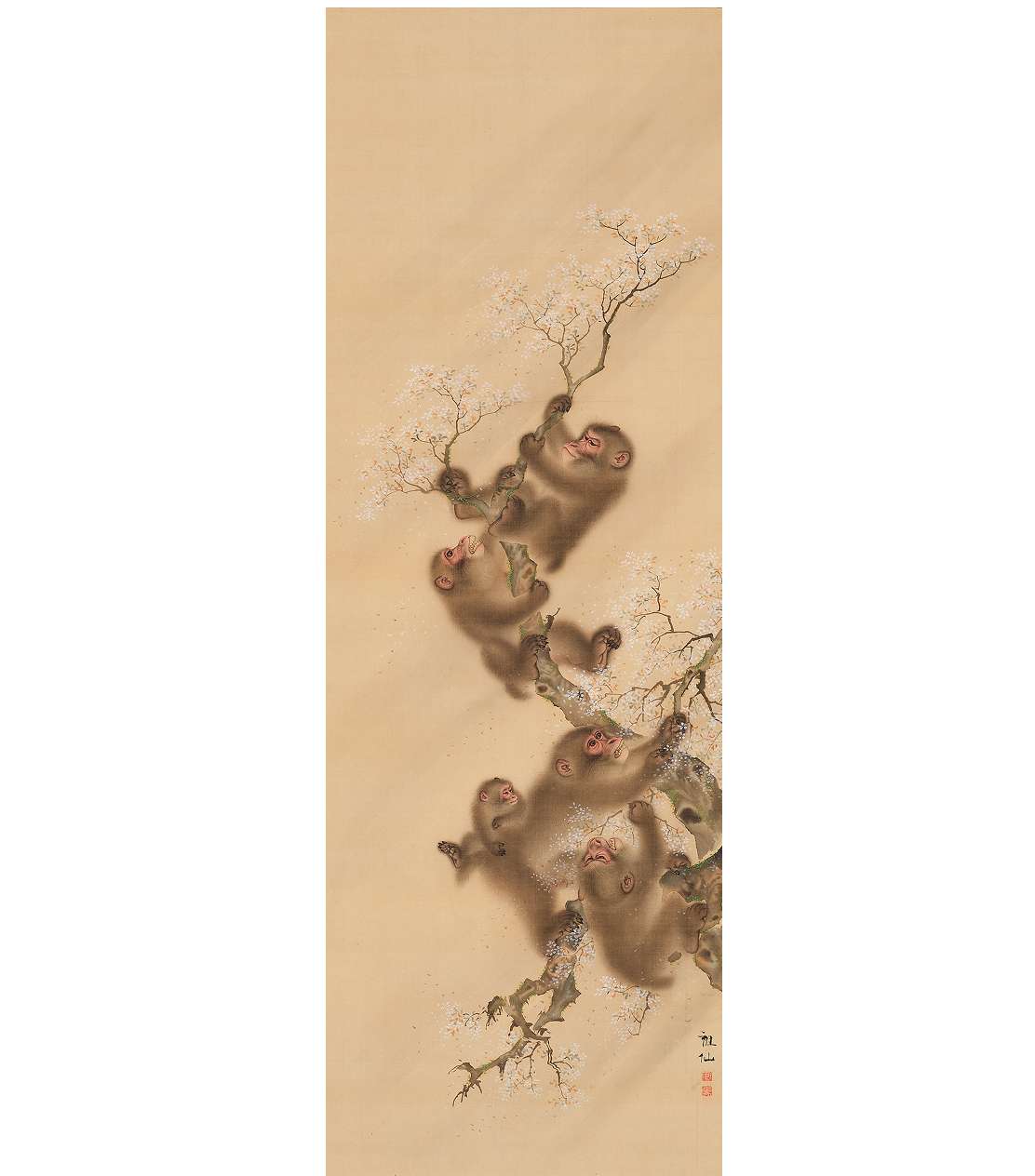
MORI Sosen Five Monkeys and Cherry blossom in Rain Edo period, 18-19th century The Egawa Collection
The Bai Joteki Collection
This collection of antiquities was amassed by Bai Joteki (real name: Inada Bunichi; 1916–2008), a distinguished calligrapher and seal carver as well as one of the preeminent collectors of calligraphy, paintings, and carved seals in postwar Japan. In addition to these works, it includes Bai’s own calligraphic and carved seal works. The massive collection, assembled over a period of some sixty years, from the end of World War II to the 2000s, consists of excellent pieces that provide an overview of the history of Chinese calligraphy, paintings, and seals from the Ming dynasty to the present. Grounded in Bai’s own artistic perspective and empirical research, the collection centers on the artist’s personal favorite, the last Chinese literati painter Wu Changshuo (1844–1927), and is highly acclaimed both in and outside Japan. As we continue to survey and research this collection, which was gifted to the museum by the artist’s family in two separate installments in fiscal 2019 and 2021, respectively, we are pursuing plans to exhibit the works.
-
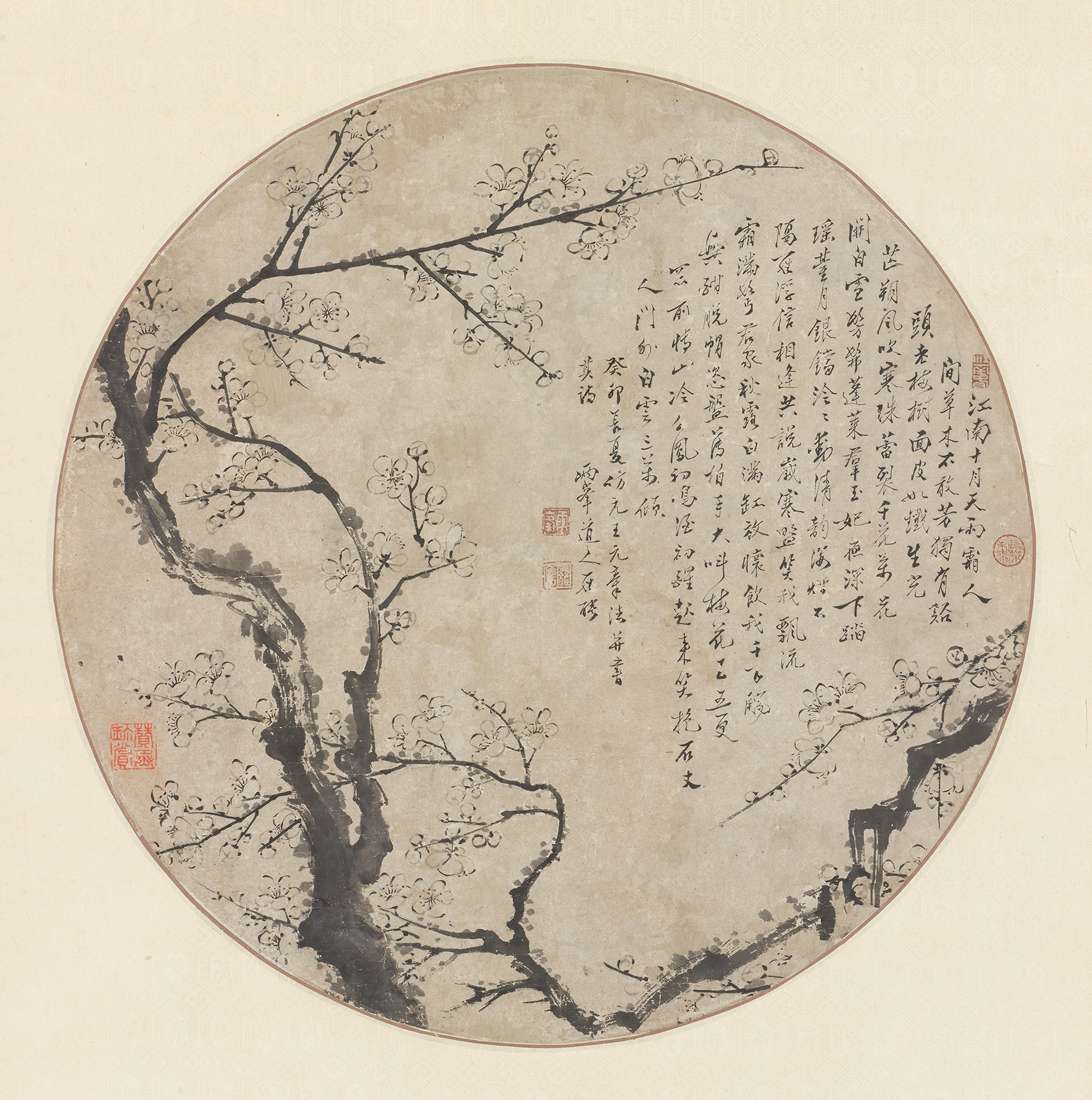
Luo Pin Plum Blossoms Qing dynasty, dated 1783 (Qianlong48) The Bai Joteki Collection -
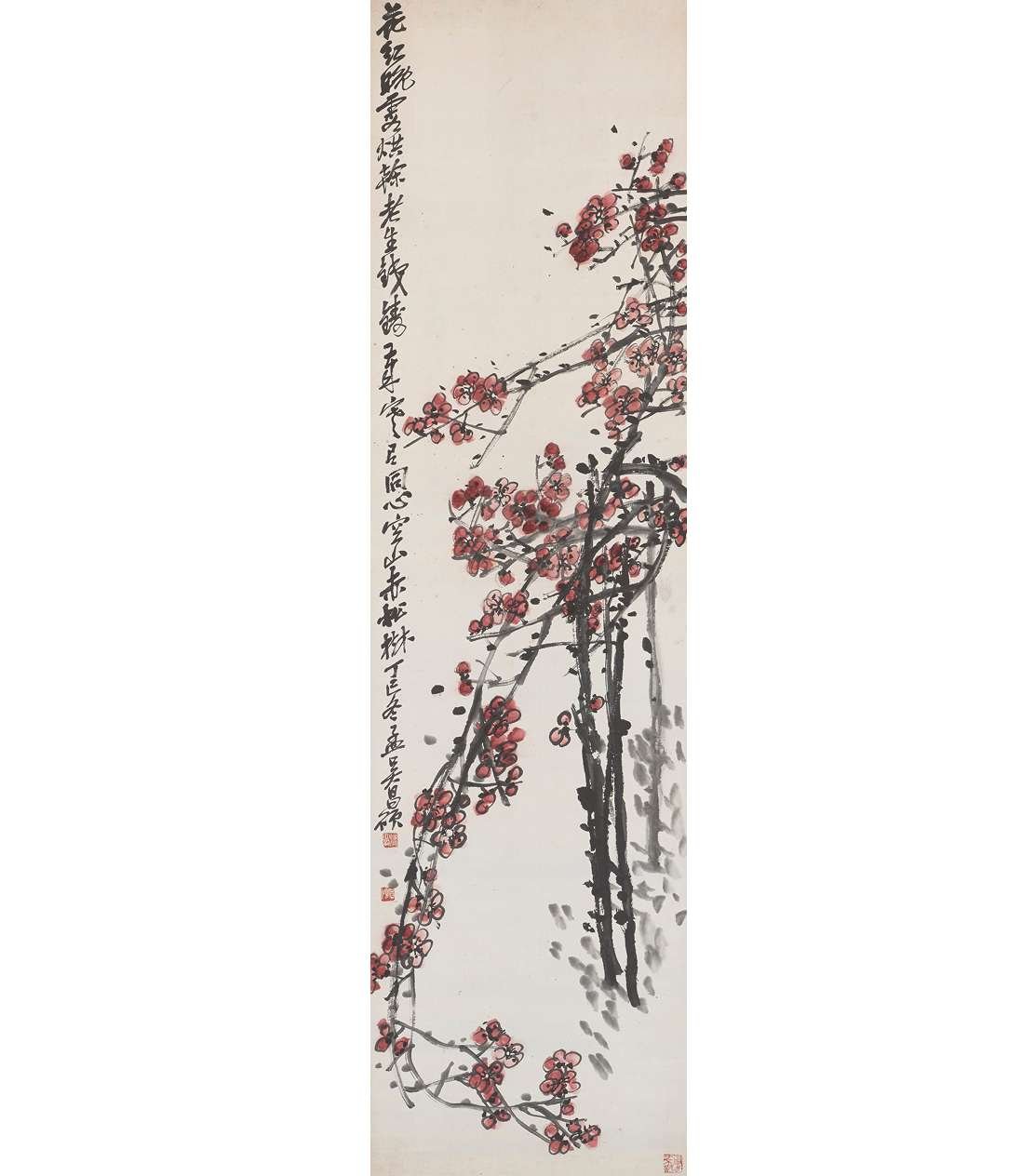
Wu Changshuo Red Plum Blossoms Republic period, dated 1917(ZhonghuaMinguo6)The Bai Joteki Collection -
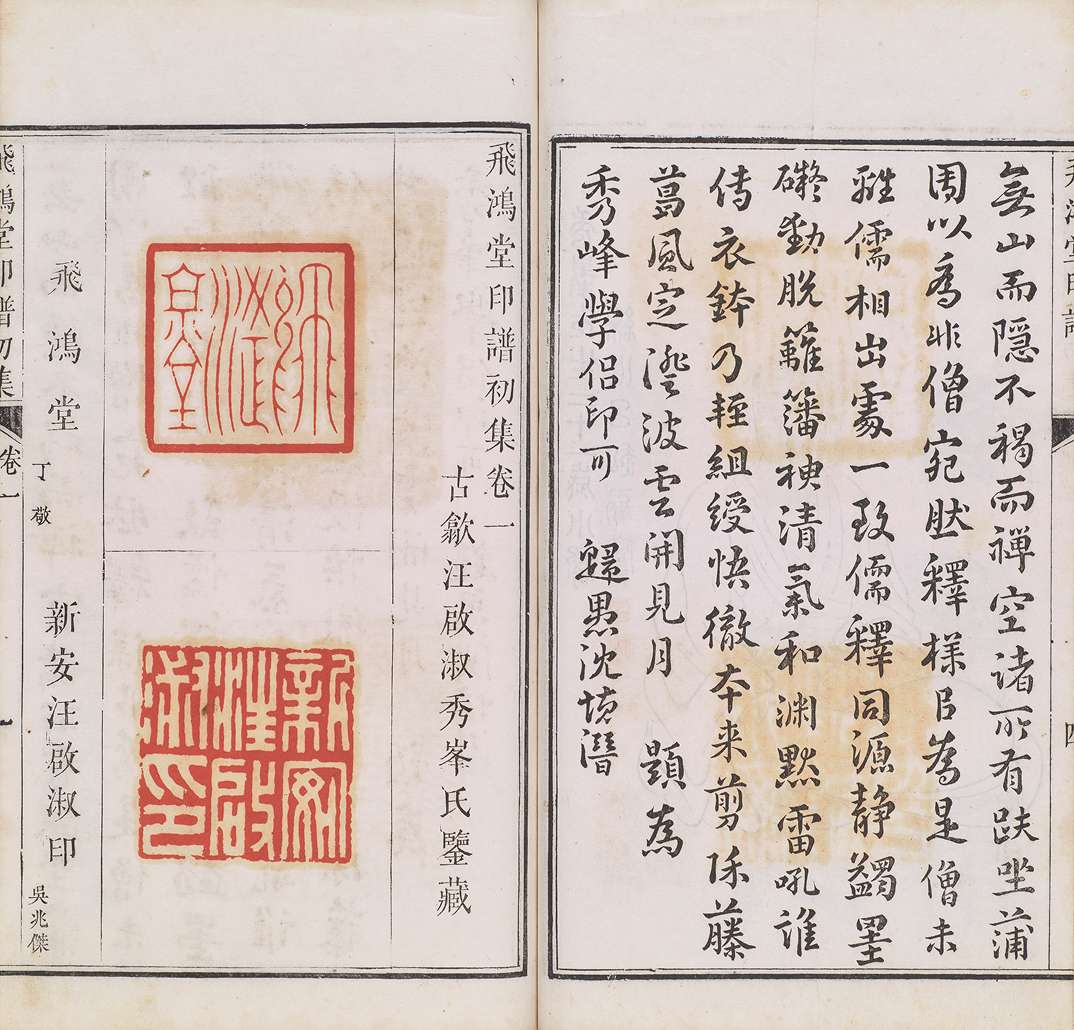
Wang Qishu Seal Albums Qing dynasty, dated 1748(Qianlong13)The Bai Joteki Collection
Information
Related links